Financial Literacy Isn’t Enough.
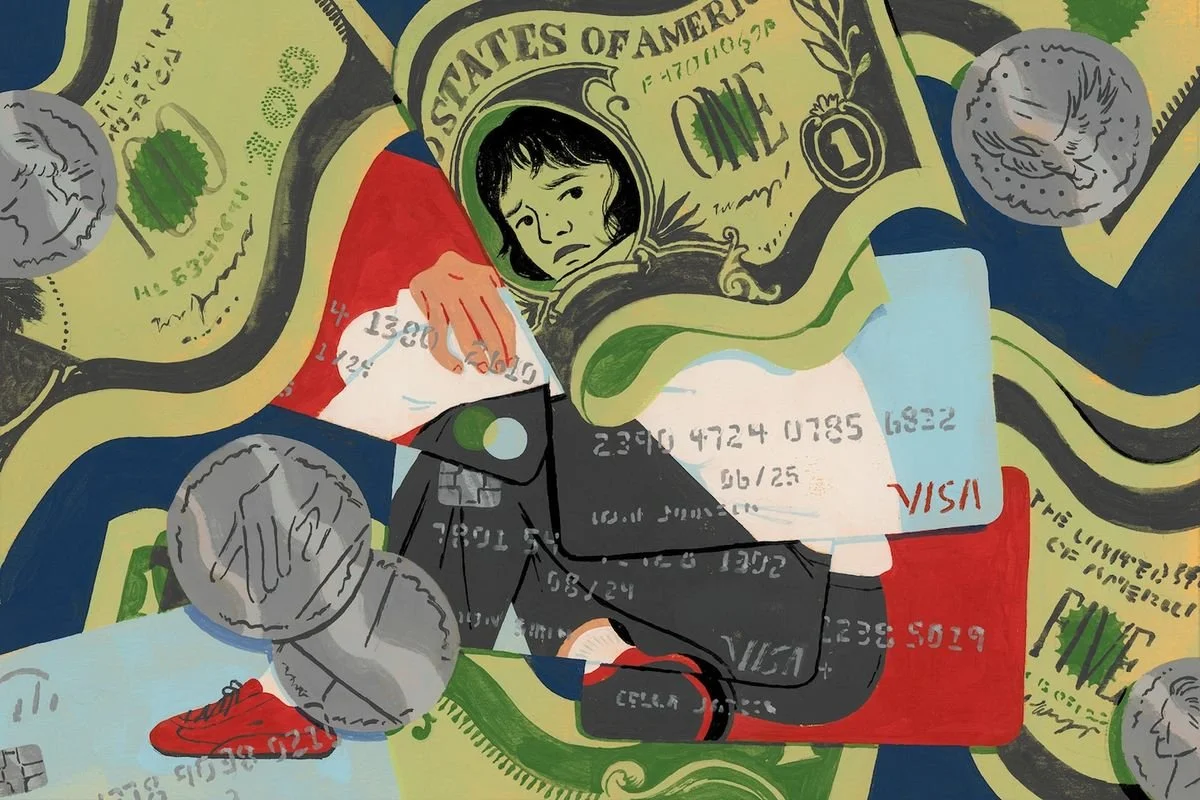
We’re finally talking more about financial literacy in schools and communities. That matters. Teaching budgeting, saving, and credit basics gives young people essential tools as a preventative approach to the overwhelm many of us in adulthood experience around money.
But here’s the truth I’ve learned from working directly with youth and young adults: financial literacy alone is a band-aid.
The deeper issue is consumer awareness, understanding how emotions, relationships, stress, identity, and environment shape money behaviors.
I saw this firsthand while facilitating 8-week financial literacy and wellness workshops through a community initiative called That's What Teens Say and in my work with Dimensional Wealth. The girls didn’t just learn how to budget or what passive income means. They explored how all dimensions of wealth (wellness) flow into financial health.
We talked about needs vs wants. We explored goal-setting. We practiced being curious about money. But we also unpacked something most programs skip:
Money is emotions disguised as numbers.
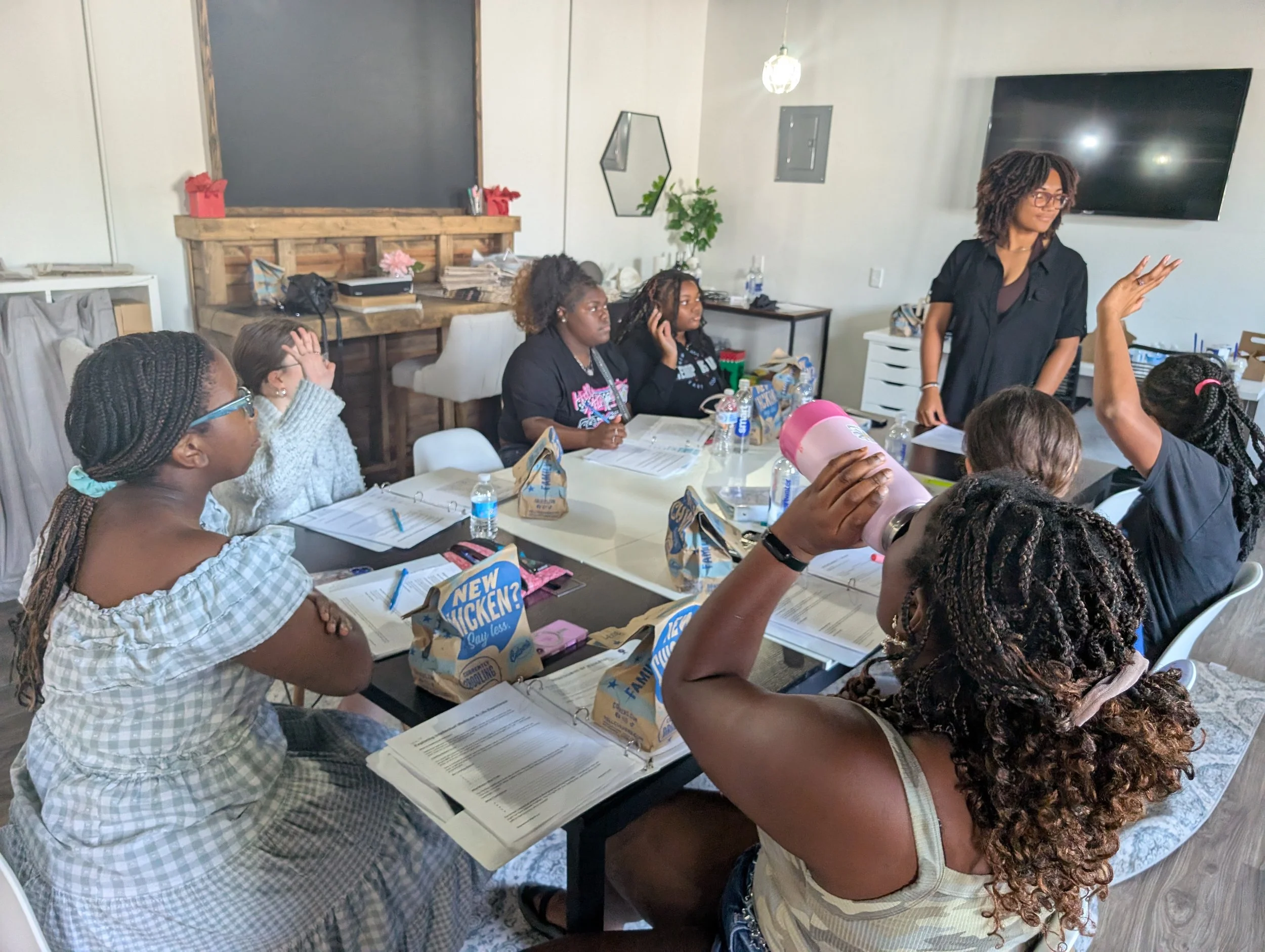
Collaborative learning in action: Thats What Teens Say interns diving deep into Dimensional Wealth workshops.
When young people begin to understand why they spend, avoid, save, or self-soothe with purchases, something powerful happens. They stop seeing money as something they only work for and start seeing it as a tool they can work with.
That shift matters.
The dominant message many of us grew up with was simple:
Go to school. Get a job. Make money. Repeat.
Now there are financial literacy classes in high schools, which is progress. But without self-awareness and consumer psychology, we’re still missing the bigger picture. We’re teaching mechanics without teaching meaning.
Research continues to show how urgent this is. A recent study from Bank of America found that nearly three-quarters of Gen Z are actively trying to improve their financial health, yet many still struggle with emergency savings, overspending, and financial stress. These young adults aren’t apathetic, they’re overwhelmed. And stress often leads to cycles of avoidance or emotional spending.
That’s not a knowledge problem. That’s a human problem.
True financial education must include:
How emotions influence spending
How family patterns shape money beliefs
How stress drives impulsive decisions
How identity and comparison impact self-worth
How values guide long-term choices
Yes, teach budgeting. Teach saving. Teach investing. Play games like Monopoly. Open savings accounts. Practice goal-setting.
But also teach youth to pause, reflect, and ask:
What am I feeling right now?
What need am I trying to meet with my money?
That’s where real financial literacy empowerment begins. This is where Dimensional Wealth begins.
Three Simple Ways to Financially Empower at Home & in Your Community
1. Normalize money conversations.
The best way to learn the language of money is to speak it, even if you stutter. Challenges are where we learn the most and where true abundance of knowledge compounds. For generational wealth builders remember: Kids learn more from what we model than what we lecture.
2. Connect money to emotions.
Notice when stress, boredom, or comparison shows up in your spending. You gotta name it to tame it.
3. Involve support in real-life choices.
Invite family or trusted supports into everyday decisions — from grocery budgets to planning outings — so money becomes collaborative instead of isolating. Collaboration is currency!
These are skills that take practice. Many of us were never taught how to talk about money or understand our habits. Working with a financial therapist or financial coach can help turn these everyday moments into lasting change through guidance, structure, and support.
If you care about financial stability, emotional safety, and long-term well-being for the next generation, it starts with teaching all sides of money, especially the human side.
Ready to Take the Next Step?
If you’d like support through workshops, community programming, or a new client consultation, I’d love to connect.
Blog readers receive 10% off their first three sessions with code BLOG10.