Talking About Money With Kids Starts With...
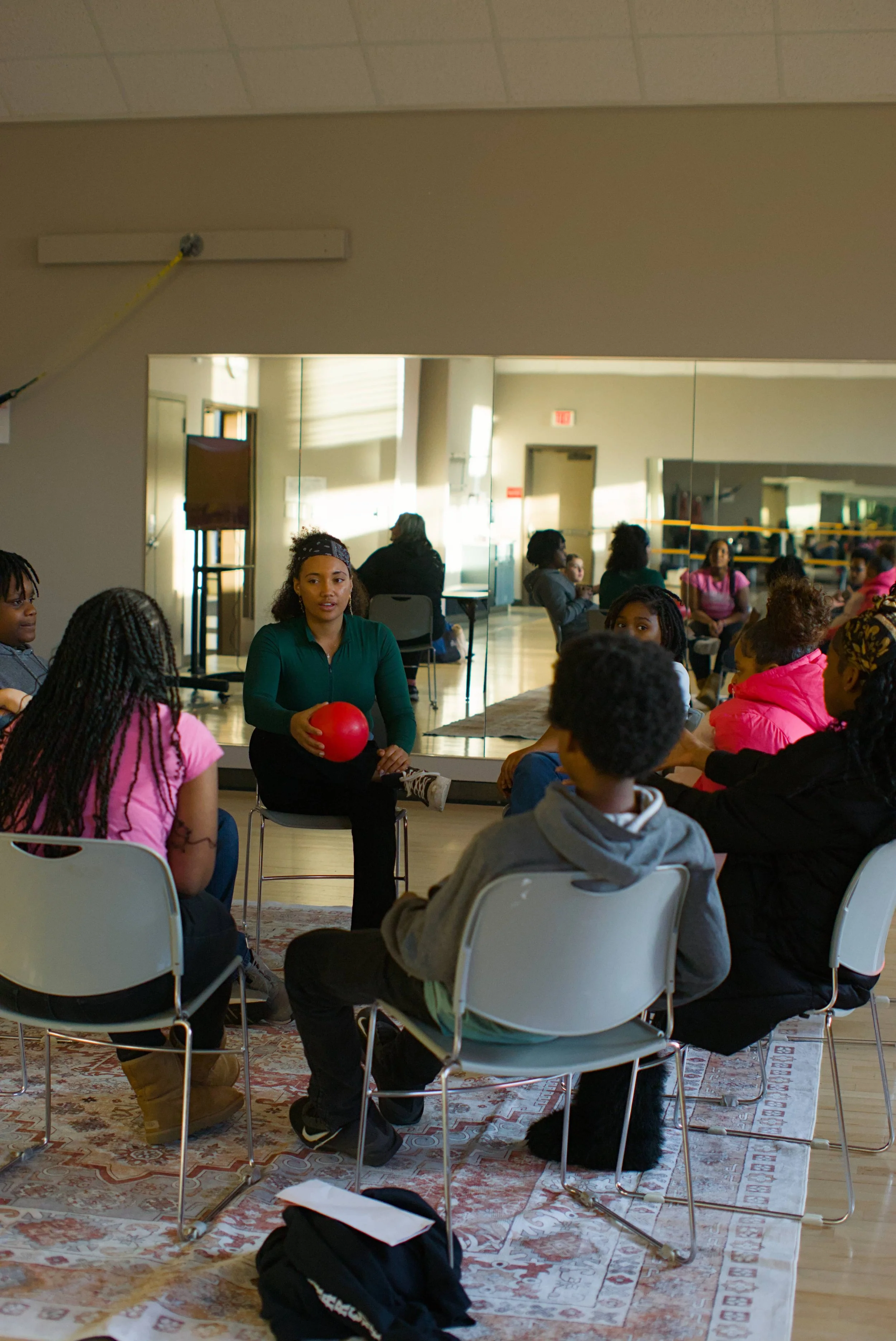
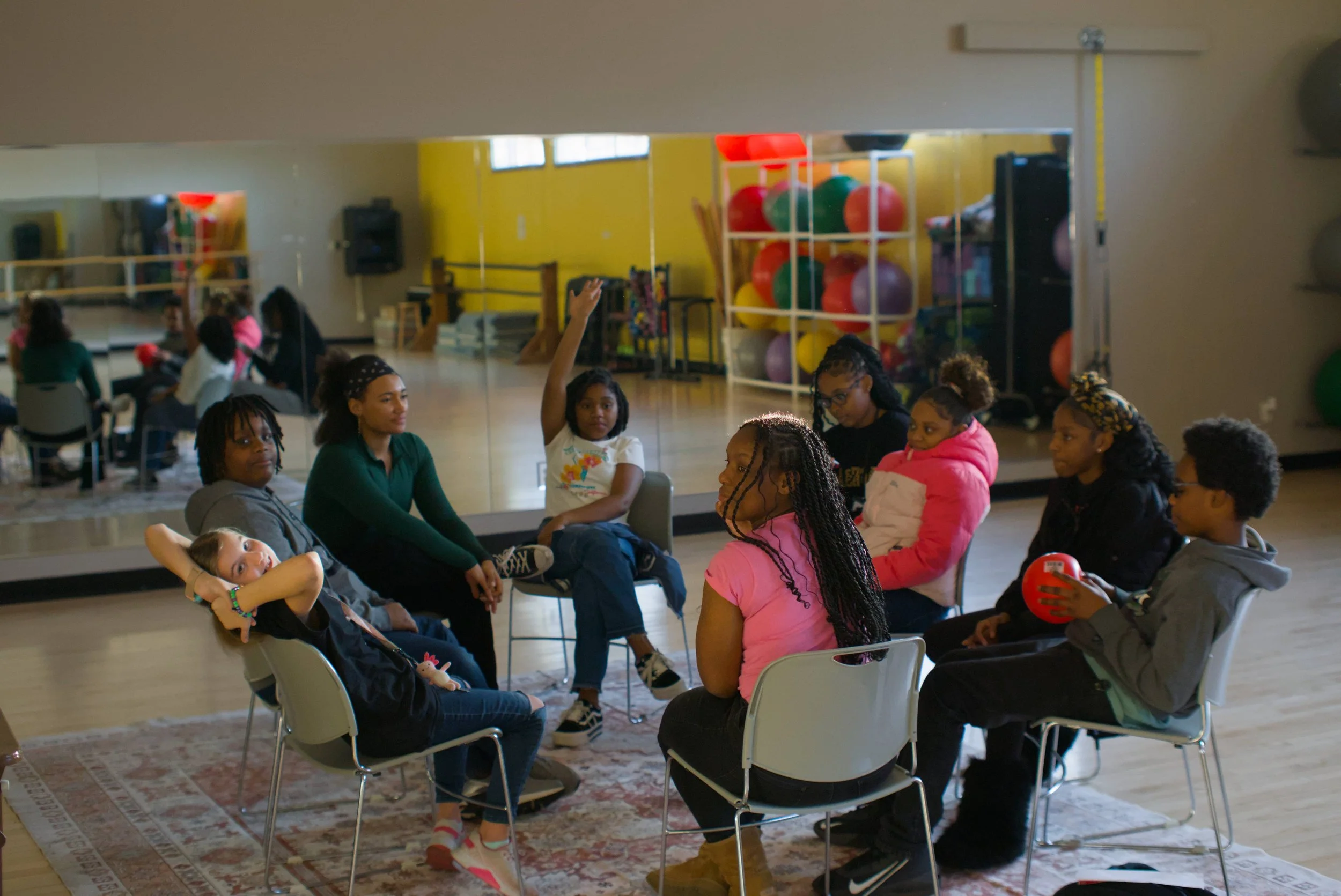
I had the opportunity to facilitate a Financial Literacy and Wellness workshop with teens at the Phillips Recreation Center through the Urbana Park District’s Teen Hangout Zone, a free program that invites teens to gather on select Fridays throughout the year to connect, learn, and spend time together in a supportive space.
Nicole Havelka, the Wellness Program Supervisor, reached out to collaborate on bringing financial literacy programming to the group. When we think about financial education for young people, we often imagine lessons about saving, budgeting, or investing.
But the most important place to start isn’t a spreadsheet.
It’s a conversation.
The truth is, the only way to learn about money is to talk about money.
For many kids and teens, money conversations don’t happen often. Sometimes adults avoid the topic because it feels uncomfortable, complicated, or even stressful. But when we remove the pressure and simply invite curiosity, young people naturally start connecting their own experiences to the topic.
So instead of beginning the workshop with numbers or rules, we started with a simple question.
“What’s your first money memory?”
And just like that, the room opened up.
The First Money Memories
When teens reflect on their earliest experiences with money, their answers are rarely about bank accounts or financial plans. Instead, they’re about small everyday moments that shaped how they first understood money.
Many of the teens in the workshop shared memories connected to:
• Birthdays, when money or gift cards were tucked inside cards
• Grocery store trips, especially the excitement of grabbing candy near the checkout line
• Helping around the house, particularly doing dishes or small chores in exchange for a few dollars
One teen shared a story that really stood out to me. For one of her birthdays, her family gave her a bouquet of flowers — but instead of petals, the bouquet was made of different currencies from around the world. Each bill represented a different country, and it became a creative way for her family to show her what money looked like in other parts of the world.
Moments like that remind us that money education doesn’t always look like a classroom lesson. Sometimes it looks like curiosity, creativity, and conversation.
These memories might seem simple, but they actually reveal something important. Our money stories begin long before we realize it.
The small experiences we have as kids—earning money, spending it, seeing how adults talk about it—quietly shape the beliefs and habits we carry into adulthood.
That’s why conversations like these matter so much. They help young people start noticing their own patterns and understanding where their relationship with money begins.
One theme that kept coming up during the conversation was chores.
And interestingly enough, research shows that those experiences may be more impactful than many people realize.
What Chores Teach Kids About Money and Responsibility
When kids earn money through chores, they’re not just completing tasks.
They’re learning about effort, contribution, and responsibility.
Research from the landmark 86-year Harvard Study of Adult Development examined the lives of more than 700 individuals across generations. One surprising finding from the study was the connection between children who regularly participated in household chores and later success in adulthood.
But the real value of chores isn’t about the difficulty of the task.
It’s about how those tasks are framed.
When children understand that their responsibilities contribute to the well-being of everyone in the household, chores become something bigger than a task. They become part of a shared effort.
Instead of simply saying, “Bring your plate to the sink,” the message becomes:
We eat together, and we clean up together.
We take care of the spaces we share.
We help each other.
That shift helps kids understand that their actions have value. Over time, those early experiences shape how they think about effort, earning, and responsibility — all important building blocks for healthy financial habits later in life.
Money isn’t just about numbers. It’s about understanding the relationship between effort, contribution, and outcomes.
BUILDING CONFIDENCE EARLY
Studies also show that children who begin helping with small tasks as early as ages four or five often develop higher levels of self-confidence and self-efficacy, according to research published in the Journal of Developmental & Behavioral Pediatrics.
Accomplishing something — even something small — creates a sense of pride. When children see that their effort matters, they begin to develop confidence in their ability to contribute and solve problems. Those beliefs become incredibly important as they grow older.
Financial wellness isn’t just about understanding money. It’s about believing you can manage responsibility, make decisions, and navigate challenges over time. That’s why conversations with young people about money matter so much.
When we create spaces where kids and teens can talk openly about their experiences — from birthday money to doing dishes for an allowance — we help them start connecting the dots between effort, choices, and financial well-being.
Often, the most meaningful financial lessons don’t begin with budgets or spreadsheets. They begin with everyday moments that help young people understand the value of contributing, earning, and being part of something bigger than themselves.
Bringing Financial Wellness to More Communities
Programs like the Teen Hangout Zone create valuable spaces where young people can gather, connect, and explore important life skills in a supportive environment.
Conversations about money don’t need to feel intimidating or complicated. When they’re grounded in real experiences and curiosity, they become opportunities for growth and empowerment.
With Financial Literacy Month in April, now is the perfect time to bring these conversations into schools, youth programs, and community organizations.
Financial Literacy and Wellness programming by Dimensional Wealth is designed to help young people develop a stronger money mindset, healthier habits, and the confidence to navigate financial decisions throughout their lives.
If your school, organization, or community program is interested in bringing a workshop to your group, we’d love to connect.